Foods That Cause Inflammation: What Every Woman Should Know
For years I thought I was eating pretty well. Salads for lunch, “healthier” packaged snacks in the pantry, a treat most nights because I’d earned it. Turns out a lot of what I thought was fine was quietly working against me the whole time.
Food is a big piece of this, but it’s not the only lever you have. Supporting your body at a cellular level can help offset some of what’s already working against you, especially while you’re in the process of easing things out.
Added sugar
This is the big one, and it’s sneaky because it’s not just sitting in dessert. It’s in sauces, bread, “healthy” granola bars, and pretty much anything in a packet with a long shelf life. Sugar spikes your blood sugar and triggers an inflammatory response in your body every single time, and most of us are doing this multiple times a day without realizing it.
Refined carbs and white flour
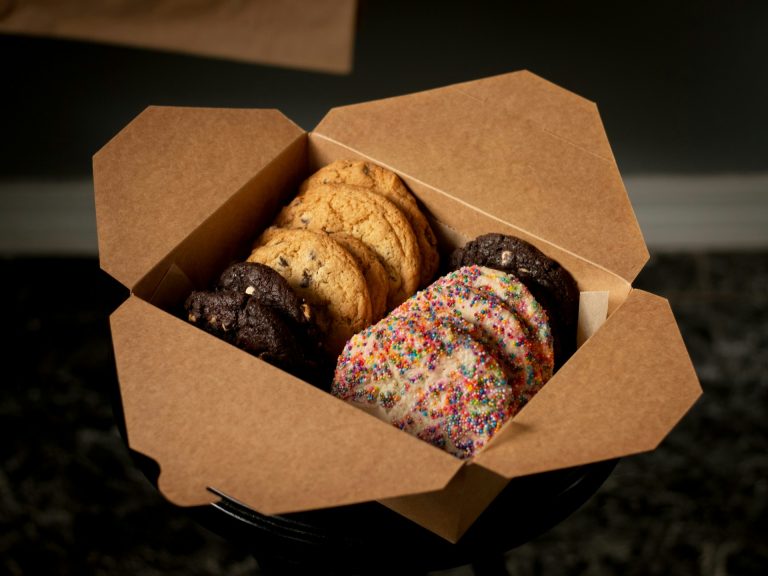
White bread, white pasta, most crackers, and pastries break down in your body almost like sugar does. Your body treats them the same way, quick spike, quick crash and has a major impact in your inflammation levels rising.
Ultra-processed and fried foods
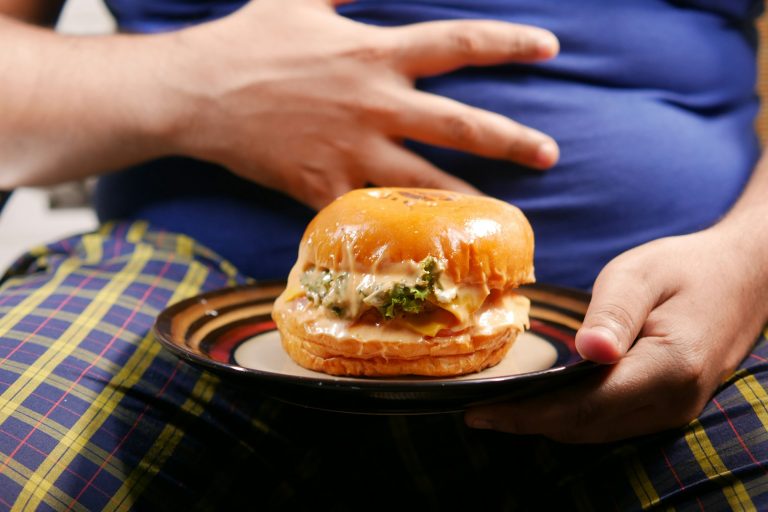
Packaged snacks, fast food, anything deep fried. These are usually loaded with a combination of refined oils, preservatives, and additives that your body simply isn’t designed to process well. The more processed something is, the harder your body has to work to deal with it. If cutting these out completely feels like a lot right now, pairing what you eat with something that supports your body at a cellular level can help pick up some of the slack while you make the shift.
Seed oils and trans fats
Vegetable oil, canola oil, and margarine show up in more of our food than we realize, often hiding in things that don’t look “oily” at all, like salad dressings and packaged baked goods. These fats are linked to increased inflammation, especially when they replace healthier fats like olive oil or avocado.
Too much red and processed meat
I’m not saying never eat a steak again. But processed meats especially, think bacon, sausages, deli meats, are consistently linked to higher inflammation markers. It’s the frequency and the processing that’s the issue, not meat itself.
Alcohol
We touched on this one in 10 Things to Do Right Now to Heal Your Gut too. Alcohol irritates your gut lining and disrupts your gut bacteria, and an unhappy gut means more inflammation, not less.
Artificial additives and sweeteners
Some research (1) suggests certain artificial sweeteners and additives can disrupt your gut bacteria in ways that promote inflammation, even in foods marketed as the “healthy” or “diet” option. Worth reading labels with a slightly more skeptical eye.
This isn’t about perfection
I want to be really clear here. This isn’t a list of foods you can never touch again. It’s not about fear, guilt, or struggling your way through every meal. It’s about awareness, understanding that some choices are quietly working against you more often than others, so you can start making small, informed swaps where it actually matters.
You don’t need to overhaul your entire pantry this week. Pick one thing on this list that you know you reach for often, and start there.
Where to start
Be kind to yourself with this one. Food guilt does more damage than the food itself half the time, so there’s no need to panic-clean out your fridge. Start noticing what’s already working against you, swap one thing at a time, and let your body tell you what it needs as you go. We’re all different, and what’s been the biggest culprit for me might not be yours.
If you haven’t already, Anti-Inflammatory Foods List: 20 Foods to Eat Every Week is the natural next step, giving you plenty to add in while you’re easing these ones out. And if you want extra support while you’re making these changes, this is the extra support I lean on myself and it’s made a real difference.
Small, consistent changes matter more than perfect ones.
If this resonated, know it doesn’t have to stay this way. I work with high-achieving women who are done running on empty and ready to optimize their health, feel like a million bucks, and actually thrive, not just get by. Get in touch here and let’s talk, no pressure, just a real conversation about what’s going on for you.
Kim Wagner is a certified Self Care Coach, IIN Health Coach, Menopause Coach, PSYCH-K® Preferred Facilitator, and Amazon bestselling author.
This post is for educational and informational purposes only and is not intended as medical advice. I’m not a doctor, and nothing here should replace a conversation with your GP or qualified healthcare provider, especially if you have a diagnosed condition or are taking medication. Always check with a professional before making changes to your diet, supplements, or health routine.