Nobody warned me how inflammatory peri-menopause and menopause would make my body feel. From about the age of 40, I started noticing some changes that I really didn’t like! At first it was just a niggle here or there, but soon, if I’m honest, it became pretty awful.
The joint pain that showed up out of nowhere, from waking up all creaky to random joint pain. The weight around my tummy. WTH, I hadn’t changed a thing and no matter what I did I couldn’t shift it. My skin was dry and felt like paper, the colour had gone and I was looking super over almost overnight. And let’s talk about the itchy ears and dry eyes, far out that was horrible. I remember thinking, is this just what getting older feels like now?
Turns out it wasn’t “just age.” It was inflammation, and it was directly tied to the hormonal shifts happening underneath everything else.
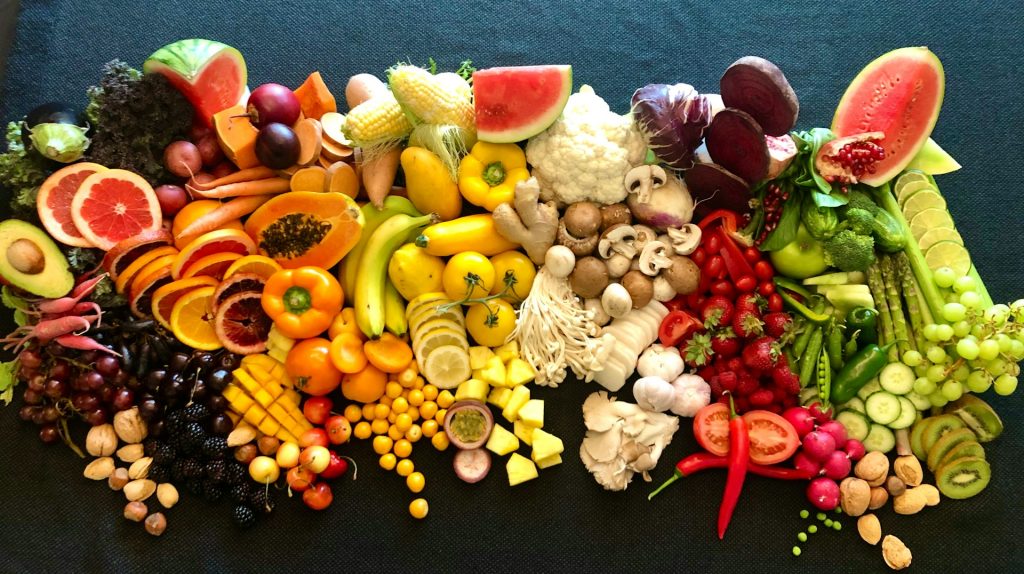
The good news, and the thing that made a big difference for me, is that food is one of the most powerful ways to reduce inflammation during this stage of life.
I’ve talked a lot in this series about what’s actually driving how you’re feeling, the signs your body gives you when inflammation is building, the role stress plays underneath it all and the foods that either feed the fire or calm it down. That there’s a piece that become especially important once you hit perimenopause and menopause, and that’s what this post is about.
Estrogen does a lot more than regulate your cycle. It also plays a real role in controlling inflammation throughout your whole body. As estrogen declines through perimenopause and menopause, that natural anti-inflammatory effect declines right along with it. That’s a big part of why so many of us notice joint stiffness, brain fog, and skin changes turning up around the same time as the hot flushes and the sleepless nights.
Add in the stress most women are carrying at this stage, careers, ageing parents, family, everything, all at once, and you’ve got the perfect storm for chronic, low-grade inflammation to get settled in your body
Omega-3 rich foods. One of the most well-researched anti-inflammatory nutrients out there, and particularly useful during perimenopause and menopause because it also supports brain function and mood, two more things hormonal shifts hit hard. Ground flaxseed, chia seeds, walnuts, hemp seeds, fish oil supplements and algae-based omega-3 supplements are excellent plant-based options if fish isn’t part of how you eat.
Cruciferous vegetables. Broccoli, cauliflower, brussels sprouts. These support your liver’s ability to metabolise estrogen properly, which helps keep hormone-driven inflammation in check.
Colorful berries. Packed with polyphenols, which help neutralise the oxidative stress driving inflammation. Either frozen or fresh is good, and grab organic if possible. They’re also a genuinely satisfying way to manage sugar cravings without the blood sugar rollercoaster.
Healthy fats. Olive oil, avocado, nuts. These support hormone production and help your body actually absorb the fat-soluble nutrients in your vegetables, while directly reducing inflammatory markers.
Fibre-rich plants. Fibre supports a healthy gut microbiome, and your gut plays a much bigger role in hormone regulation and inflammation than most of us ever get told.
Refined sugar and heavily processed carbs are two of the biggest inflammatory triggers, and they tend to make hot flushes and mood swings worse too. Alcohol messes with sleep and liver function right when both are already under pressure. And seed oils in packaged and fried food are highly inflammatory.
None of this means perfection, and I’m certainly not aiming for it myself. It means noticing what your current habits are and making small changes, one at a time.

Food matters, and it’s a genuinely powerful place to start. But perimenopause and menopause aren’t only a physical transition. For a lot of us it’s the stage where years of doing everything ourselves, chronic stress, and putting everyone else first finally catch up with the body.
Reducing oxidative stress and inflammation at a cellular level was honestly the single biggest thing that helped me, more than any one food swap. If you haven’t looked into that side of things yet, it’s worth understanding, because it’s often the missing piece underneath all the diet changes in the world.
That’s exactly why I built The Menopause Playbook, a step-by-step program that goes beyond a food list. It’s designed to address the hormonal, emotional, and subconscious layers all at once, oxidative stress included, because tackling that piece alongside everything else is what actually moves the needle, not diet changes on their own.
If you’re navigating this stage and want somewhere to start, my menopause resources walk through exactly this, food, stress, and the deeper patterns underneath it all – you can check it out here.
You are not imagining the changes happening in your body right now. And you don’t have to just white-knuckle your way through them either.
If this resonated, know it doesn’t have to stay this way. I work with high-achieving women who are done running on empty and ready to optimize their health, feel like a million bucks, and actually thrive, not just get by. Get in touch here and let’s talk, no pressure, just a real conversation about what’s going on for you.
Until next time,
Kim Wagner is a certified Self Care Coach, IIN Health Coach, Menopause Coach, PSYCH-K® Preferred Facilitator, and Amazon bestselling author.
This post is for educational and informational purposes only and is not intended as medical advice. I’m not a doctor, and nothing here should replace a conversation with your GP or qualified healthcare provider, especially if you have a diagnosed condition or are taking medication. Always check with a professional before making changes to your diet, supplements, or health routine.