Anti-Inflammatory Foods List: 20 Foods to Eat Every Week

I used to think reducing inflammation meant a complicated meal plan and a pantry full of things I couldn’t pronounce. It doesn’t. It starts with knowing which everyday foods actually work in your favour, and getting them on your plate consistently, not perfectly.

Food is a huge lever, but it’s not the only one. Supporting your body at a cellular level is the other half of this equation for a lot of us, and it’s worth understanding alongside everything on this list.

I’ve talked a lot in this series about what inflammation actually looks like day to day, the early signs your body gives you when it’s building up Signs of Chronic Inflammation You Shouldn’t Ignore, the toll it takes on your gut specifically Gut Health and Inflammation: The Hidden Connection, and the foods working against you without you realizing it (Foods That Cause Inflammation). This post is the other half of that food conversation, what to actually start adding in.

Here are twenty anti-inflammatory foods worth building into your week, and why each one earns its place.

Vegetables (Fresh or Frozen)

Leafy greens. Spinach, kale, silverbeet. Loaded with antioxidants and vitamin E, which help protect your cells from inflammatory damage.

Broccoli. Rich in sulforaphane, shown to reduce inflammatory markers and support your body’s natural detoxification.

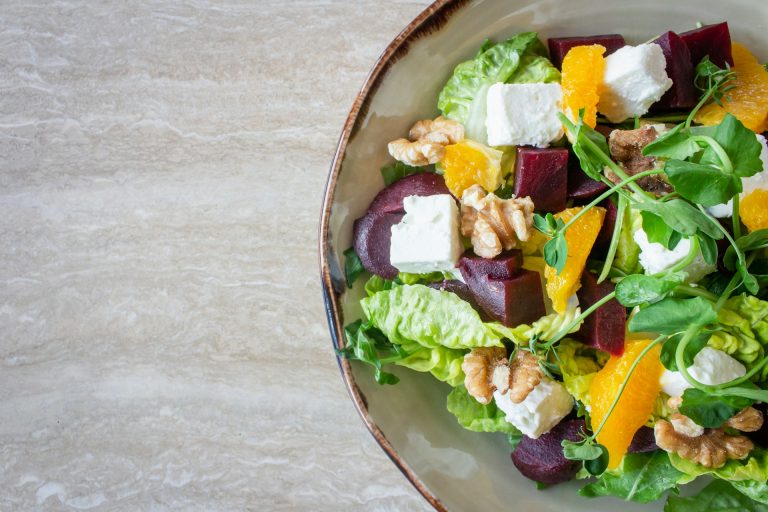
Beetroot. Contains betalains, powerful anti-inflammatory pigments that also support liver function.

Peppers (Capsicum). High in vitamin C and antioxidants, helping calm inflammation while supporting immune function.

Mushrooms. Varieties like shiitake and reishi contain compounds that help regulate the immune system rather than overstimulate it.

Fruits (Fresh or Frozen)

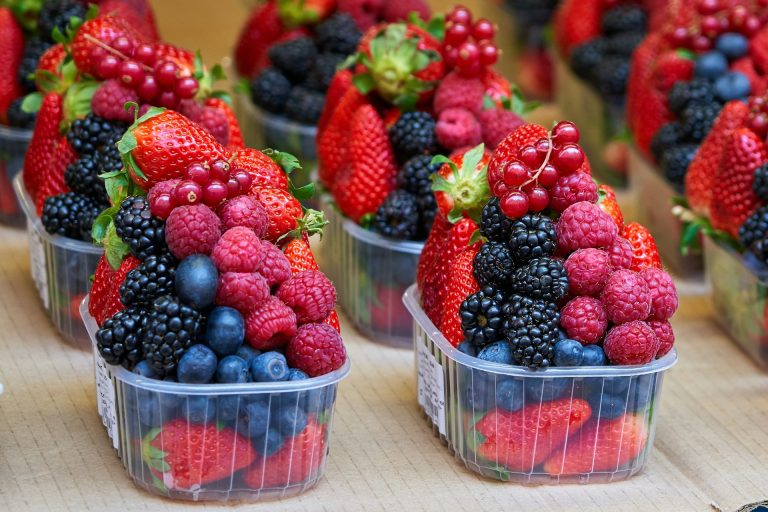
Berries. Blueberries, strawberries, blackberries. Dense in polyphenols, which target the pathways driving chronic inflammation directly.

Cherries. Tart cherries especially, studied for their ability to reduce inflammatory markers and support joint comfort.

Oranges and citrus. Vitamin C supports collagen production and helps your body manage oxidative stress.

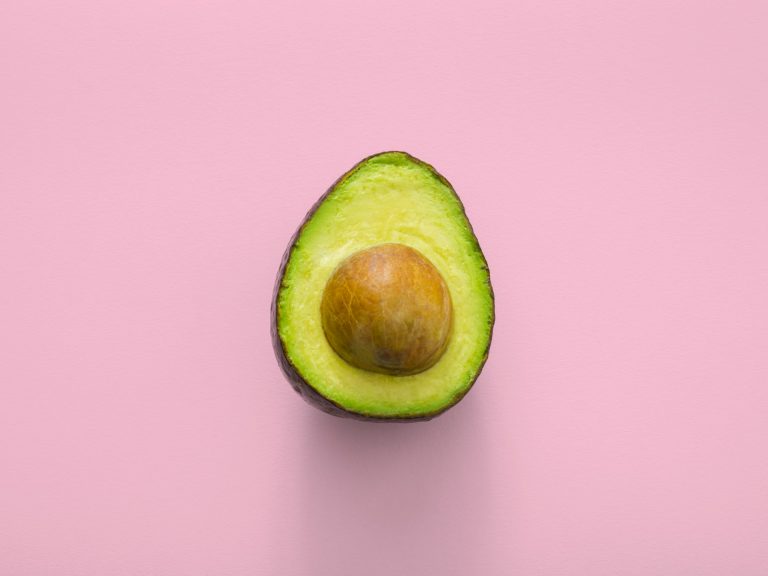
Avocado. Healthy monounsaturated fat plus antioxidants, working together to lower inflammation.

Pineapple. Contains bromelain, a genuinely anti-inflammatory enzyme, particularly useful for joint and digestive comfort.

Healthy Fats

Olive oil. Extra virgin contains oleocanthal, a compound that works a lot like anti-inflammatory medication in the body.

Walnuts. A strong plant-based source of omega-3s, helping balance the ratio of inflammatory to anti-inflammatory fats in your diet.

Chia and flaxseed. Both rich in plant-based omega-3s and fiber, supporting inflammation control and gut health at the same time.

Coconut oil. Contains lauric acid, with mild anti-inflammatory and antimicrobial properties.

Proteins and Legumes

Lentils. High in fiber and plant protein, supporting stable blood sugar, which is closely tied to inflammation control.

Chickpeas. A versatile source of protein and fiber that also supports a healthy gut microbiome.

Tofu and tempeh. Fermented and whole soy foods, associated with lower inflammatory markers when eaten as part of a whole-food diet.

Spices and Extras

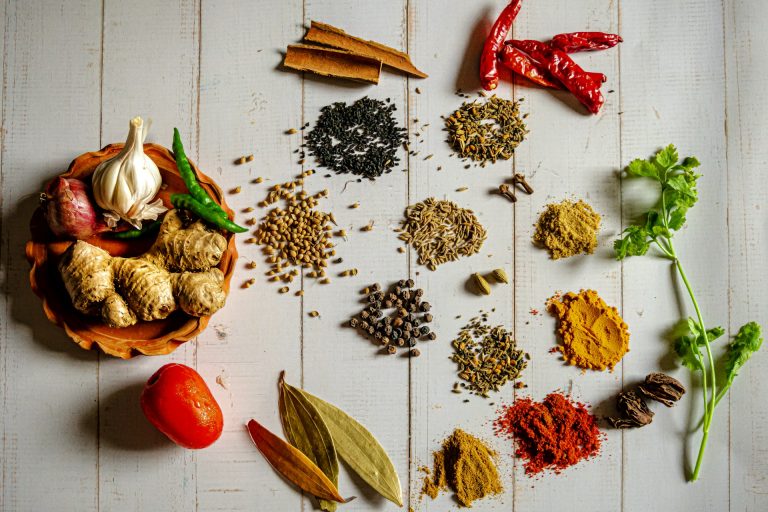
Turmeric. Contains curcumin, one of the most well-researched natural anti-inflammatory compounds we have. Pair it with black pepper to seriously boost absorption. If you want that same kind of support in a more concentrated, everyday form, this is exactly the kind of thing I use daily.

Ginger. Long used to ease digestive inflammation and support joint comfort.

Green tea. Rich in catechins, antioxidants that help lower inflammatory markers throughout the body.

Making This Work In Real Life

You don’t need all twenty of these in one week to feel a difference. Start by noticing what’s already on your plate, then build from there. Add turmeric to something you already cook. Swap a processed snack for berries or walnuts. Keep canned lentils in the pantry for the nights you’re too tired to cook from scratch (we’ve all had a few hundred of those).

Consistency over time is what actually shifts inflammation, not any single perfect meal. This list is meant to be something you come back to, not a set of rules you have to get right every single day. And if you want to give your body a head start while you’re building these habits, this is the extra support I lean on myself.

If you want support putting this into practice, especially around the deeper patterns that make consistent eating feel so hard in the first place, that’s exactly the work I do with my clients. Get in touch here and let’s talk, no pressure, just a real conversation about what’s going on for you.

Until next time,

Kim Wagner is a certified Self Care Coach, IIN Health Coach, Menopause Coach, PSYCH-K® Preferred Facilitator, and Amazon bestselling author.

This post is for educational and informational purposes only and is not intended as medical advice. I’m not a doctor, and nothing here should replace a conversation with your GP or qualified healthcare provider, especially if you have a diagnosed condition or are taking medication. Always check with a professional before making changes to your diet, supplements, or health routine.