Dry Skin Over 40: Why It Happens and What You Can Actually Do About It

If your skin has suddenly started feeling tight, flaky, or just plain thirsty since you hit 40, I promise you’re not imagining it. My skin has always been on the dry side, but when I hit 40, it got a whole lot worse. It felt weird, looked really different, and it seemed to just happen overnight.

Why it happens

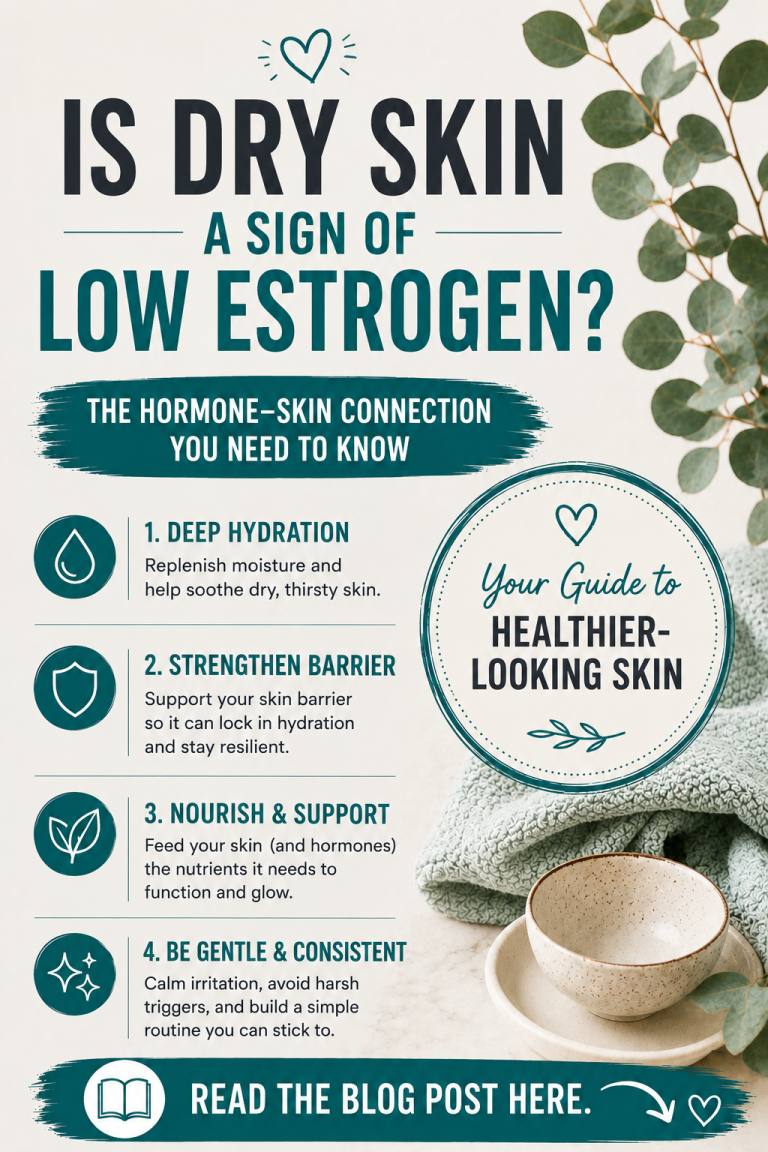
Girl, a lot of it relates to estrogen.

Estrogen plays a much bigger role in your skin than most of us ever realize. It helps stimulate collagen production, supports your skin’s ability to hold onto moisture, and keeps your skin barrier working the way it should. As estrogen starts to decline through your 40s (often before you even notice other signs of perimenopause), a few things happen at once:

  • Oil production slows down, so your skin has less natural moisture to work with
  • Collagen production drops, which affects both firmness and hydration
  • Your skin barrier weakens, meaning it loses moisture faster than it used to
  • The outer layer of skin gets thinner, making it more sensitive and prone to dryness

But estrogen isn’t the whole story. Things like how much water you’re drinking, what you’re eating, how much sun exposure you’re getting, and even your sleep and alcohol habits all add up too. So while your hormones are shifting whether you like it or not, there’s actually a lot within your control here.

What you can actually do about it

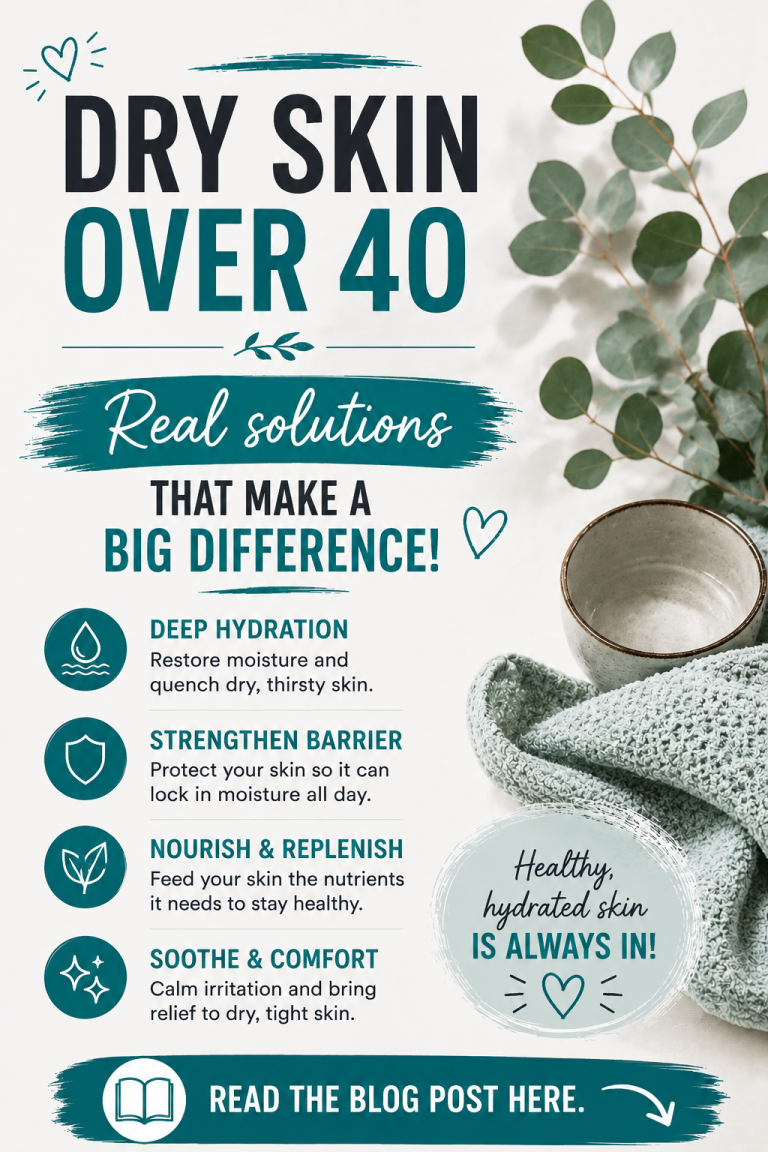
The good news is dry skin at this stage isn’t something you just have to live with. A few things genuinely help:

Drink enough water. Sounds obvious, but hydration starts from the inside, and most of us simply aren’t drinking enough.

Support your skin with collagen. Since collagen production naturally drops with declining estrogen, giving your body extra support here helps offset some of that loss.

Use a mild retinol to help with collagen and turnover. I choose a product that does the same as retinol without any harsh side effects. Completely clean and does an amazing job!

Go clean with your skincare products. Reduce as many chemicals as you can in what you put on your skin. Fewer synthetic fragrances, parabens, and harsh preservatives means less irritation and less strain on an already more sensitive skin barrier.

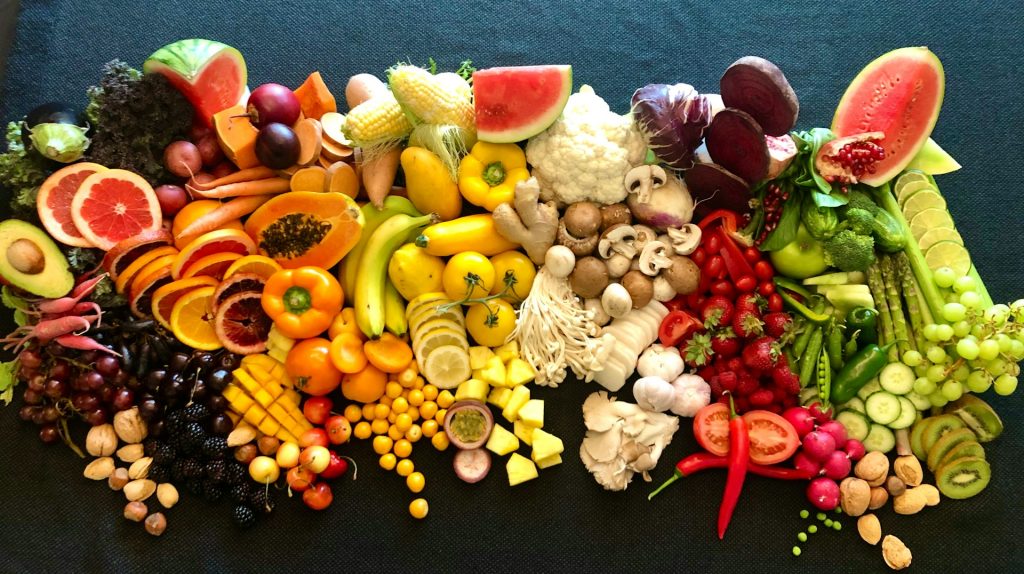
Eat foods that support hydration from the inside. Fatty fish, avocado, citrus, berries, and foods rich in healthy fats all genuinely help your skin hold onto moisture. I’m actually doing a whole blog post on foods for dry skin, so I’ll link it here once it’s up!

Get enough omega-3s. Whether through fatty fish, walnuts, flaxseeds, or chia seeds, or a great quality supplement (you really need to get the best product available that isn’t full of nasties), omega-3s help protect and strengthen your skin’s lipid barrier. [Here is my choice].

Protect yourself from the sun. A hat and a clean, broad-spectrum SPF 30+ go a long way, since UV exposure speeds up the same collagen loss that’s already happening naturally. [I choose this clean product].

Exfoliate gently. One to two times a week is enough to remove flaky, dry skin without over-stripping it.

Limit alcohol and caffeine. Both are dehydrating, and your skin feels it just as much as the rest of you does.

Get enough sleep. Your skin repairs itself overnight, so skimping on sleep means skimping on that repair process too.

Be patient and consistent. Skin changes don’t reverse overnight, but the right routine and habits, done consistently, make a real difference over a few weeks.

When it comes to checking your beauty products, there’s an amazing app called Think Dirty. You can scan or search for the products you’re using to see how they rate. Personally, I stick to products that are 0-1, which is rated “Clean.” You can find it free on the App Store or Google Play.

What’s worked for me

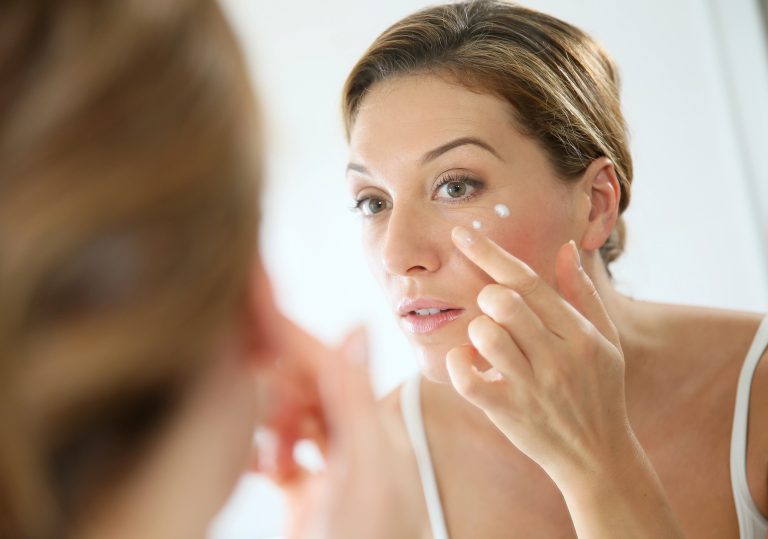
This ties in with the clean skincare range and liquid collagen I’ve talked about before. Since simplifying to a 4-product routine, my skin holds moisture so much better than it did even a year ago, and I’m not spending 20 minutes every morning layering products hoping something sticks.

If you want to see exactly what I use, take a look at it here.

Until next time,
Kim.

Kim Wagner is a certified IIN Health Coach and Certified Menopause Coach.

If this resonated, know it doesn’t have to stay this way. I work with high-achieving women who are done running on empty and ready to optimize their health, feel like a million bucks, and actually thrive, not just get by.

Get in touch here and let’s talk, no pressure, just a real conversation about what’s going on for you.